
Health and Safety Policy for Driveway Algae Removal
This Health and Safety policy sets out safe working standards for driveway algae removal and related cleaning activities carried out by our gardening company across the service area. The purpose of the policy is to protect staff, clients, members of the public and the environment while delivering professional driveway algae cleaning and algae treatment on driveways services.Scope: This policy covers all tasks associated with algae removal for driveways, including site assessment, mechanical cleaning, pressure washing, chemical application, surface protection and run-off management. It applies to all employees, contractors and temporary workers engaged in driveway moss and algae control.
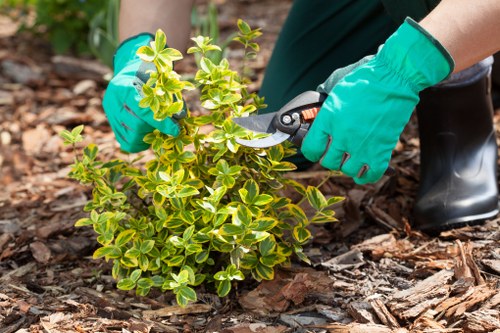 Responsibilities: Management is responsible for providing resources, clear procedures and competent supervision. Supervisors must ensure work is planned and risk assessed. Operatives must follow instructions, wear appropriate personal protective equipment and report hazards promptly. All staff have a duty to cooperate with safe systems of work and to stop work if a serious risk is identified.
Risk Assessment and Planning
Before starting any driveway algae removal task a formal risk assessment must be completed. The assessment will identify hazards such as slippery surfaces, the use of pressure washers, chemical hazards, traffic interactions and manual handling loads. Control measures will be proportionate to the identified risks and recorded. Common Hazards: Slips and trips, spray or splash injuries, inhalation of aerosols, chemical contact with skin or eyes, environmental contamination from run-off, equipment failure and interaction with pedestrians or vehicles. The policy requires that each job address these hazards prior to arrival on site.
Control Measures and Safe Systems
Controls include safe work methods such as pre-cleaning inspections, use of low-drift application equipment, containment mats for chemical application and appropriate washdown capture where practical. Hierarchy of controls will be used: eliminate, substitute, engineering controls, administrative controls and PPE.The following personal protective equipment (PPE) is mandatory where identified by the risk assessment:
- Protective gloves resistant to chemicals used in algae treatment
- Eye protection such as splash goggles
- Waterproof boots with slip-resistant soles
- High-visibility clothing when working near driveways accessed by vehicles
- Respiratory protection if aerosolised treatments are used or where ventilation is poor
Employees must inspect PPE before use and report any defects. Appropriate training will be provided for the selection, fitting and maintenance of PPE.
Chemical Handling and Environmental Protection
Chemicals used for driveway algae removal will be selected to reduce environmental impact while delivering effective results. All chemical use must comply with product safety data sheets and manufacturers' directions. Spill kits, neutralising agents and containment materials must be available on site to prevent contamination of storm drains, gardens or adjacent watercourses.
 Waste and Run-off Management: Where possible, use mechanical cleaning or biodegradable treatments to minimise harmful run-off. When chemical cleaning is necessary, employ absorbent barriers, collection systems or controlled dilution away from drainage inlets. Dispose of waste and residual chemical in accordance with environmental best practice and waste regulations applicable to the service area.
Equipment and Pressure Washing
The use of pressure washers and surface cleaners requires trained operators. Equipment must be inspected daily and used with appropriate nozzles and pressures to avoid damage to surfaces and reduce splash-back. Guards and trigger locks must be in place; hoses and cables should be routed to avoid trip hazards. Training and Competence
All operatives will receive induction training covering this policy, safe operation of cleaning equipment, chemical awareness, COSHH principles and emergency procedures. Records of training and competence checks will be maintained and refreshed periodically to reflect new methods or products introduced into the service offering.
Emergency Procedures and First Aid: Emergency arrangements include immediate first aid for chemical exposure, clear routes for emergency services, and procedures for reporting incidents. First aid supplies appropriate for chemical exposure must be accessible and staff trained in emergency response and decontamination steps.
Monitoring, Review and Continuous Improvement: The effectiveness of this health and safety policy will be monitored through site inspections, incident reporting, near-miss analysis and routine audits. Management will review the policy at defined intervals and after any significant incident, implementing improvements and updating procedures to reflect changing risks or new technologies in driveway algae cleaning.
Record Keeping and Compliance
Suitable records will be kept for risk assessments, training, equipment maintenance, chemical inventories and incident reports. These records support compliance with general health and safety standards and help demonstrate that safe, professional driveway algae cleaning services are delivered across the service area.
Staff Commitment: All employees are required to read and acknowledge this policy and to actively participate in maintaining a safe workplace. The company commits to providing the resources necessary to implement this policy effectively.
Signed and dated copies of this policy will be held by management and made available to staff as a condition of employment. Regular communication ensures the policy remains a living document that protects people and the environment while enabling high quality driveway algae removal services.